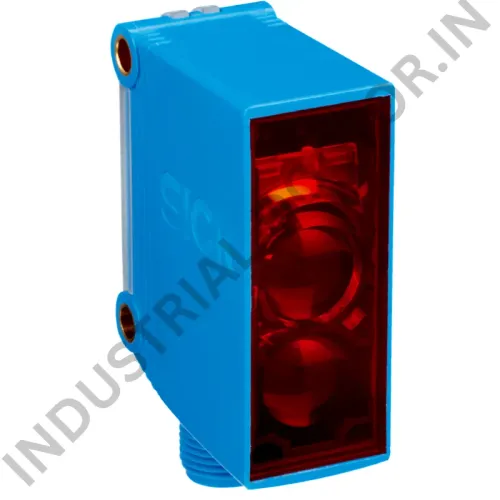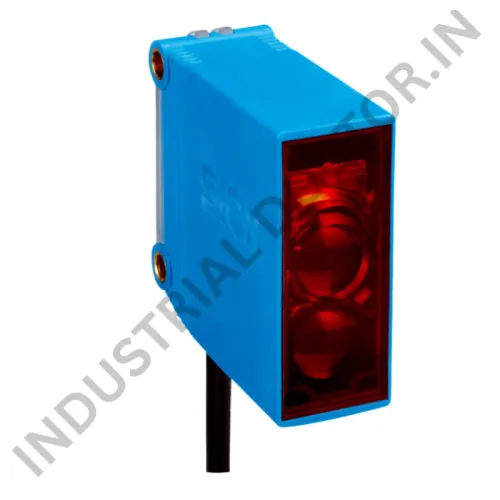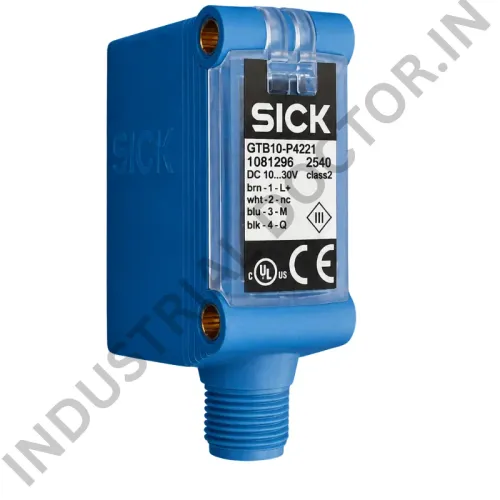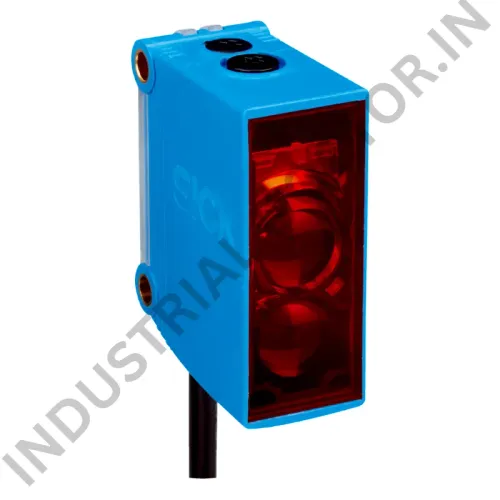
SICK WL18-3 Photoelectric Sensor
Reliable Photoelectric Sensor for Industrial Automation
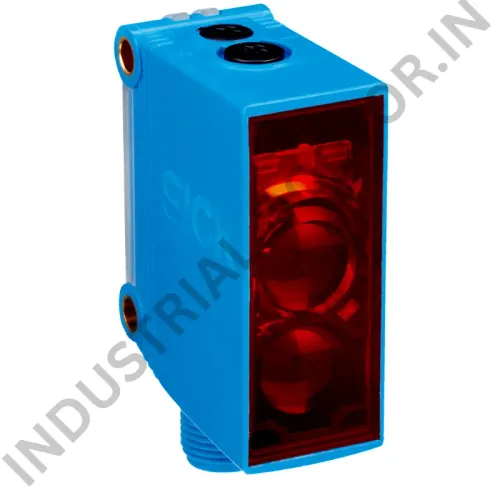
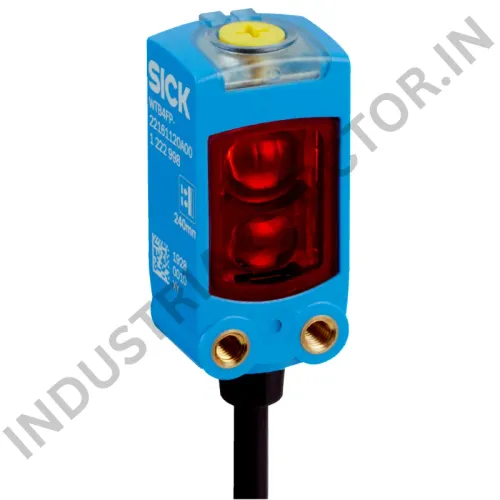
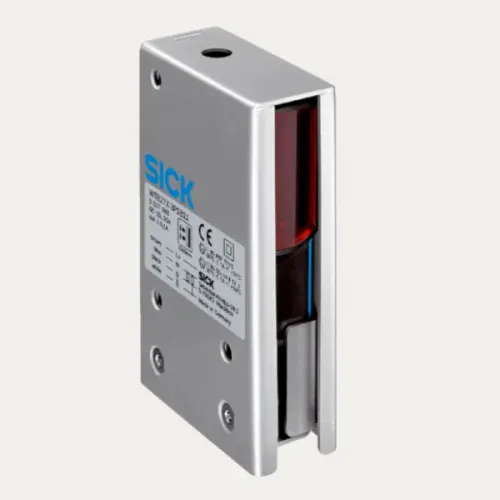
The SICK WL18-3 Photoelectric Sensor is designed for reliable, non-contact object detection in industrial automation and machine applications. It is part of the SICK W18-3 photoelectric sensor family, which offers different configurations for applications requiring dependable object detection, including retro-reflective and other photoelectric sensing variants.
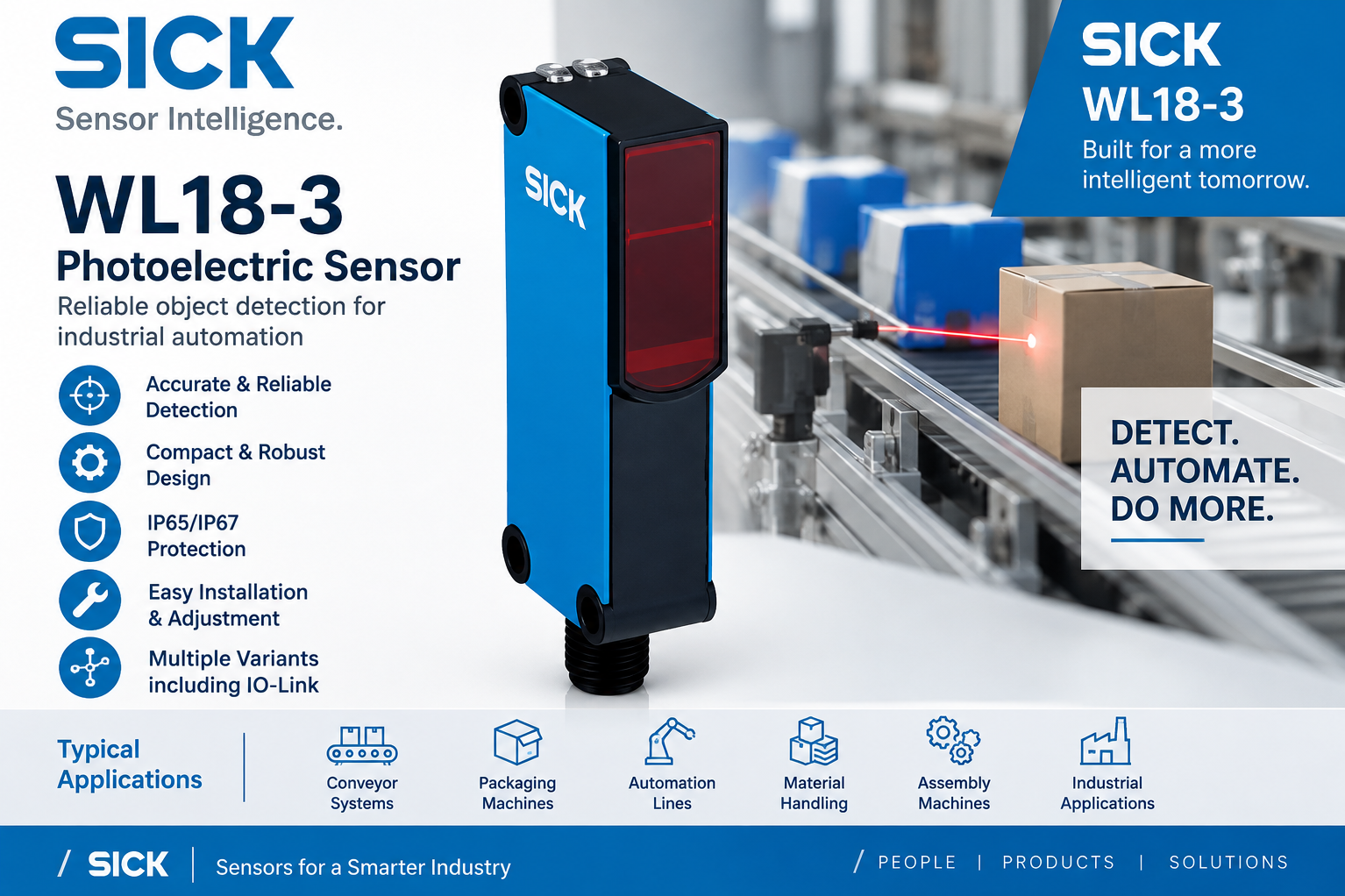
Its compact rectangular design, flexible adjustment options and industrial-grade construction make the WL18-3 suitable for conveyor systems, packaging machines, material handling equipment, assembly lines and automated production systems.
Why Choose SICK WL18-3?
The SICK W18-3 family is designed for applications where reliable object detection is important. SICK highlights resistance to ambient-light interference, flexible configuration and easy integration as key benefits of the series. Selected variants also support IO-Link for sensor data access and diagnostics.
Key Features
SICK W18-3 / WL18-3 photoelectric sensor family
Non-contact object detection
Retro-reflective variants available
Compact rectangular housing
Visible red light or infrared variants depending on model
Potentiometer or teach-in adjustment depending on variant
IP65/IP67 protection depending on model
Multiple connection and output configurations
IO-Link available on selected variants
Designed for industrial automation applications
Where is SICK WL18-3 Used?
Customers commonly look for this type of photoelectric sensor when they need reliable detection in:
Conveyor systems
Packaging machines
Automatic production lines
Material handling
Assembly machines
Industrial automation
Object counting
Object presence detection
Position detection
Machine control systems
SICK describes photoelectric sensors as solutions for object detection and presence sensing in industrial automation and control applications.
SICK WL18-3 Technical Information
The exact specifications depend on the complete model/part number.
For example, the WL18-3P480 is a retro-reflective variant with a 0–5 m sensing range and 7 m maximum sensing range, visible red LED light, and dimensions of 17.6 × 75.5 × 33.5 mm.
Specification Details
Brand SICK
Series W18-3
Model Family WL18-3
Sensor Type Photoelectric Sensor
Detection Non-contact object detection
Housing Rectangular
Light Source LED
Light Visible red / infrared depending on variant
Adjustment Potentiometer / Teach-in depending on model
Protection IP65 / IP67 depending on variant
Connection Model dependent
Output Model dependent
Important: Do not use one model's technical specifications for every WL18-3 product. SICK lists multiple variants with different sensing ranges, outputs, connections and optical configurations.
Human Search – People Also Ask
What is SICK WL18-3?
SICK WL18-3 is a photoelectric sensor used for non-contact detection of objects in industrial automation and machine applications.
What is SICK WL18-3 used for?
It is used for object detection, presence detection, counting and positioning in applications such as conveyors, packaging machines and automated production lines.
Is WL18-3 a retro-reflective sensor?
Selected WL18-3 models are retro-reflective photoelectric sensors. The exact sensing principle should be checked against the complete part number. For example, WL18-3P480 is specified by SICK as a photoelectric retro-reflective sensor.
What is the range of SICK WL18-3?
The sensing range depends on the exact variant. For example, WL18-3P480 has a 0–5 m sensing range and 0–7 m maximum sensing range under the specified conditions.
What voltage does SICK WL18-3 require?
The voltage depends on the specific model. Several W18-3 variants are designed for 10–30 V DC operation. Always verify the exact part number before installation.
Where can I buy SICK WL18-3 in India?
You can source the SICK WL18-3 Photoelectric Sensor through industrial automation and sensor suppliers. When requesting a quotation, provide the complete SICK part number to ensure you receive the correct variant.
Keywords