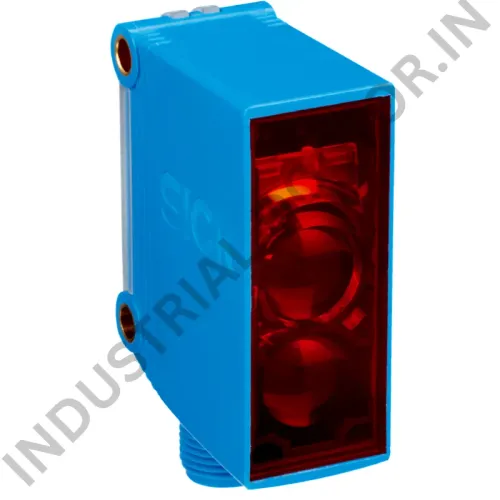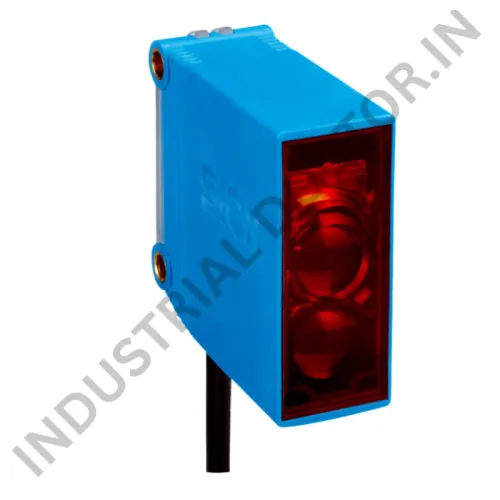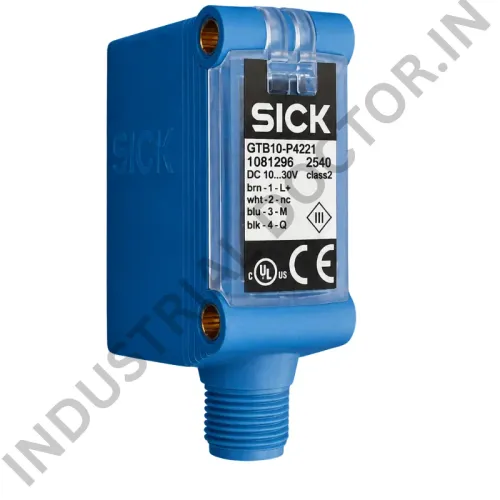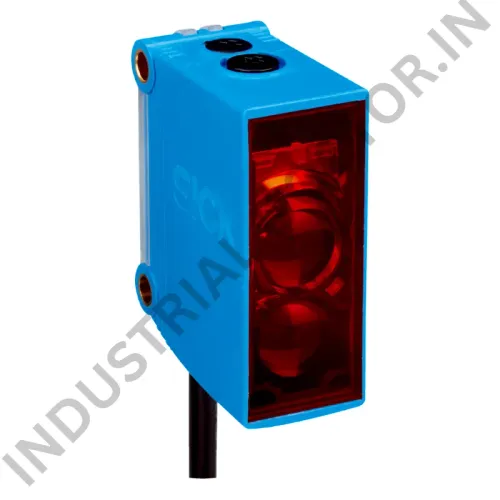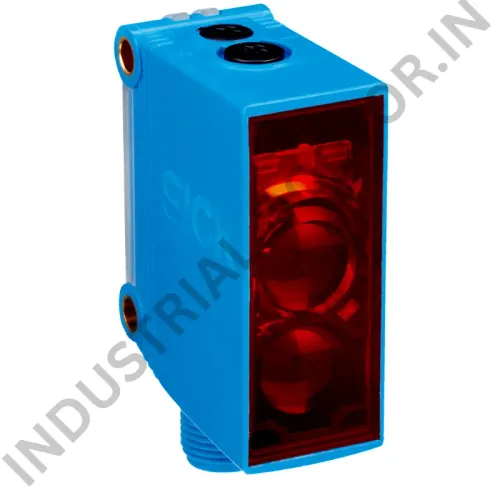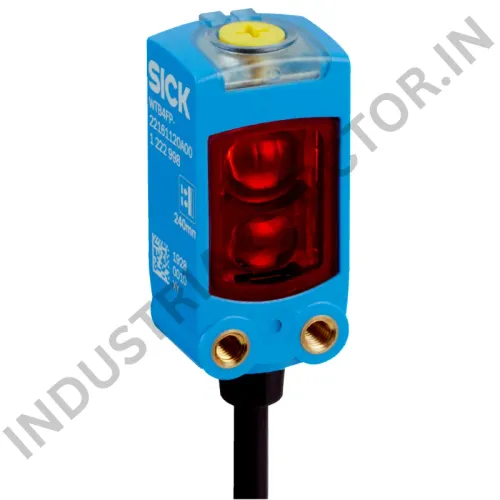
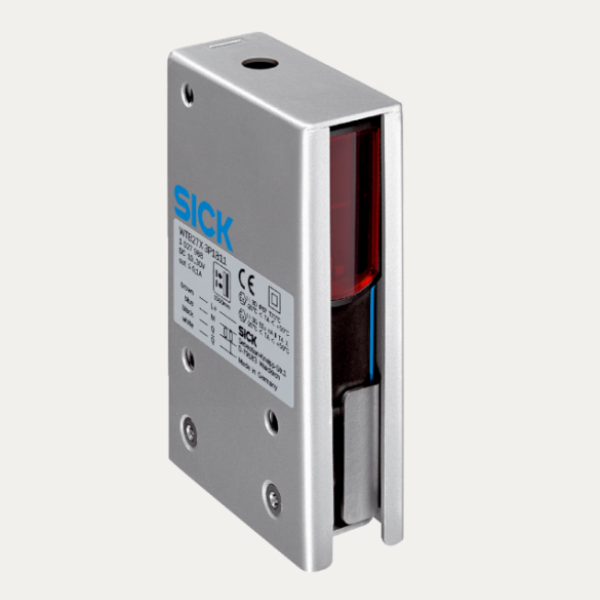
W27 Photoelectric Sensors for Harsh Industrial Environments
Reliable Photoelectric Detection in ATEX Zone 2 and Zone 22 Areas
W27 photoelectric sensors are designed for reliable object detection in demanding industrial environments where vibration, mechanical shock, and temperature fluctuations can affect sensor performance. Engineered for high operational reliability, these sensors deliver dependable detection even in applications involving reflective objects and challenging operating conditions.
Selected W27 variants are available with additional protective metal housings designed to meet the requirements of ATEX equipment categories 3G and 3D, supporting applications in Zone 2 gas and Zone 22 dust hazardous areas, subject to the specific product’s certification and installation requirements.
With robust mechanical protection and industrial-grade sensing performance, W27 photoelectric sensors are an ideal solution for automation systems that require dependable detection, durability, and reduced operational interruptions.
Key Features and Benefits
- ATEX hazardous-area suitability: Selected variants designed for applicable Zone 2 and Zone 22 installations, subject to product certification.
- Robust metal protective housing: Additional mechanical protection against demanding industrial operating conditions.
- High vibration and shock resistance: Designed to maintain reliable operation in environments exposed to mechanical stress.
- Reliable performance under temperature fluctuations: Suitable for industrial applications where operating temperatures can vary within the specified product limits.
- Reliable detection of reflective objects: Designed to support high operational reliability even in applications affected by reflections.
- Easy integration into industrial automation: Suitable for a range of industrial sensing and object-detection applications.
Applications of W27 Photoelectric Sensors
W27 photoelectric sensors are suitable for industrial automation applications that require reliable object detection in harsh operating environments, including:
- Factory automation and production lines
- Material handling and conveyor systems
- Packaging and processing machinery
- Industrial equipment exposed to vibration and shock
- Automated systems operating in designated hazardous areas
- Applications requiring additional mechanical protection for sensors
Application suitability depends on the sensing principle, detection range, environmental conditions, and certification of the selected model.
Why Choose W27 Photoelectric Sensors?
W27 photoelectric sensors combine dependable optical detection with a rugged design for challenging industrial environments. Their resistance to mechanical stress and temperature fluctuations helps support consistent sensing performance, while selected variants with protective metal housings offer additional durability for applications requiring ATEX equipment category 3G and 3D compliance.
For industrial operators and machine builders, W27 sensors provide a practical sensing solution where reliability, mechanical protection, and suitability for specified hazardous areas are important selection criteria.
Frequently Asked Questions
What are W27 photoelectric sensors?
W27 photoelectric sensors are industrial optical sensors designed to detect objects reliably in demanding environments. They are engineered to withstand vibration, shock, and temperature fluctuations, with selected variants offering additional protective metal housings.
Are W27 photoelectric sensors suitable for ATEX Zone 2 and Zone 22?
Selected W27 variants are designed for applications in ATEX Zone 2 gas and Zone 22 dust hazardous areas. Always verify the exact model's ATEX marking, certificate, ambient temperature range, and installation requirements before use.
What are the benefits of the protective metal housing?
The protective metal housing provides additional mechanical stability and protection against physical stress, making suitable W27 variants better suited to demanding industrial environments than standard sensor configurations.
Can W27 photoelectric sensors detect reflective objects reliably?
W27 sensors are designed to provide high operational reliability even in applications affected by reflections. Actual detection performance depends on the sensing principle, target material, geometry, alignment, and installation conditions.
Where are W27 photoelectric sensors used?
Typical applications include factory automation, conveyor systems, packaging machinery, material handling, and industrial installations where robust object detection is required.
What do ATEX equipment categories 3G and 3D mean?
ATEX category 3G relates to equipment intended for specified gas hazardous areas, while category 3D relates to equipment intended for specified combustible-dust hazardous areas. These categories generally correspond to Zone 2 and Zone 22, respectively, when the equipment's certification and conditions of use are appropriate.
Technical Selection and Safety Information
Before selecting a W27 photoelectric sensor for a hazardous area, check the exact product variant's ATEX certification, gas or dust classification, permitted ambient temperature, ingress protection, electrical ratings, and installation instructions. Do not assume that every W27 model is certified for hazardous-area use.
Contact our team for assistance in identifying the appropriate W27 photoelectric sensor for your industrial automation requirements.
Keywords